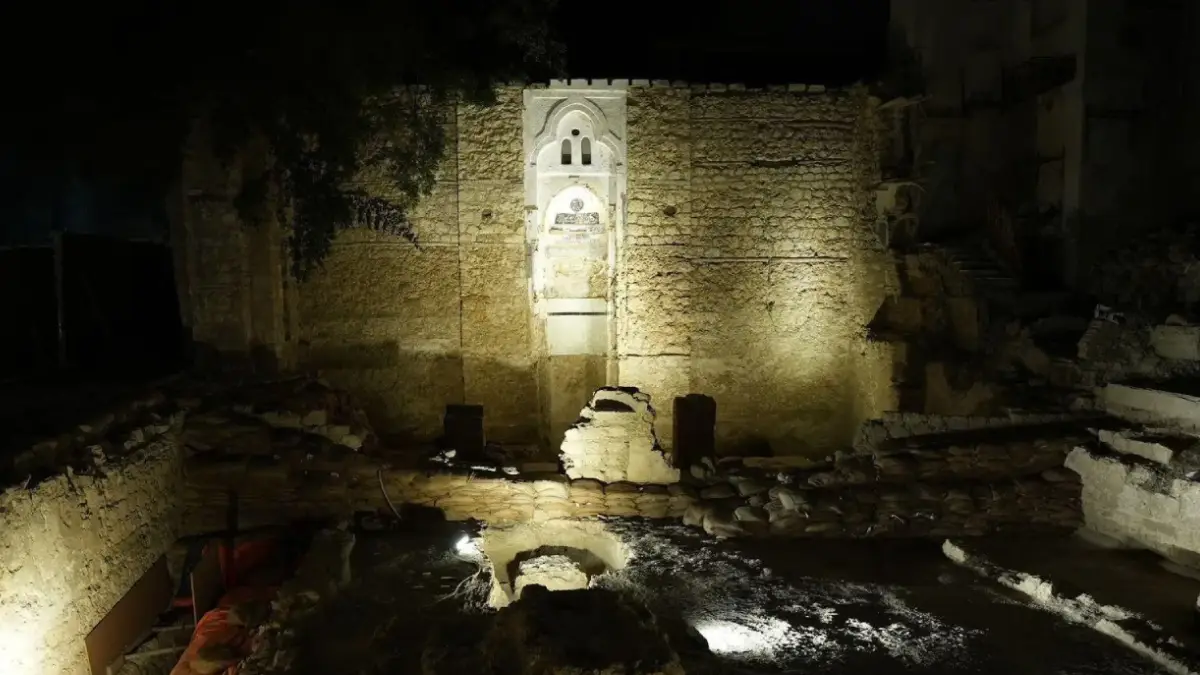
Historic Jeddah – Tucked inside the ancient streets of Al-Balad, the Othman bin Affan Mosque stands tall as one of Jeddah’s oldest and most precious archaeological landmarks.
Built in 33 AH (654 CE), the mosque dates back to the early days of Islam, when Caliph Othman bin Affan named Jeddah as the main Islamic port of the region.
Recent excavations have brought exciting news. Scientists discovered that the site has been in continuous use for more than 1,300 years. Digging through the layers, they found remains from the Umayyad period, the Abbasid period, and right up to the Mamluk era.
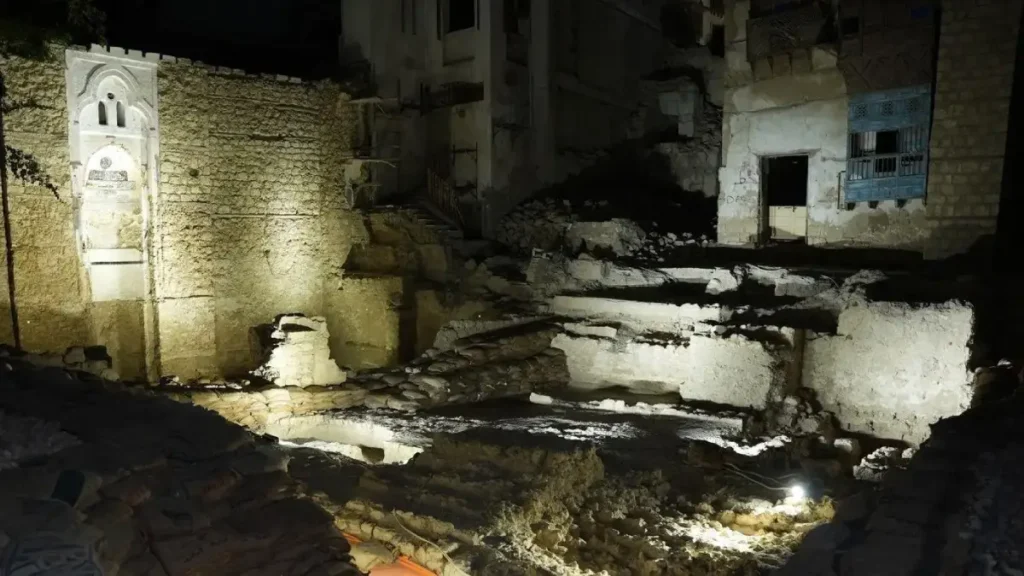
Among the most important finds are a clever 800-year-old water system and rare ebony columns inside the mihrab. Tests showed the ebony wood came all the way from ancient Ceylon, known today as Sri Lanka. This proves how strong Jeddah’s maritime trade links were hundreds of years ago.
Experts have also digitally recorded seven different architectural phases of the mosque. The traditional coastal building style is clear to see – walls made of coral stone and roofs supported by wood.
Thousands of artifacts were uncovered during the work, including pieces of early Chinese porcelain. All these discoveries show that the mosque has served as a living cultural record of Jeddah’s long and rich history.
Today, the Othman bin Affan Mosque is a favourite stop on Jeddah’s popular cultural routes. It beautifully mixes deep Islamic history with modern activities, playing a key role in preserving the Kingdom’s architectural and religious identity for generations to come.